-

=
Getting started can be the hardest part.
Success is earned, one step at a time. One of the most invaluable skills a person can have is being able to clearly express what it is they want.


-
Big South Mid-Season Report: A Two-Team Race, a Friendly Whistle, and a Tournament Formula
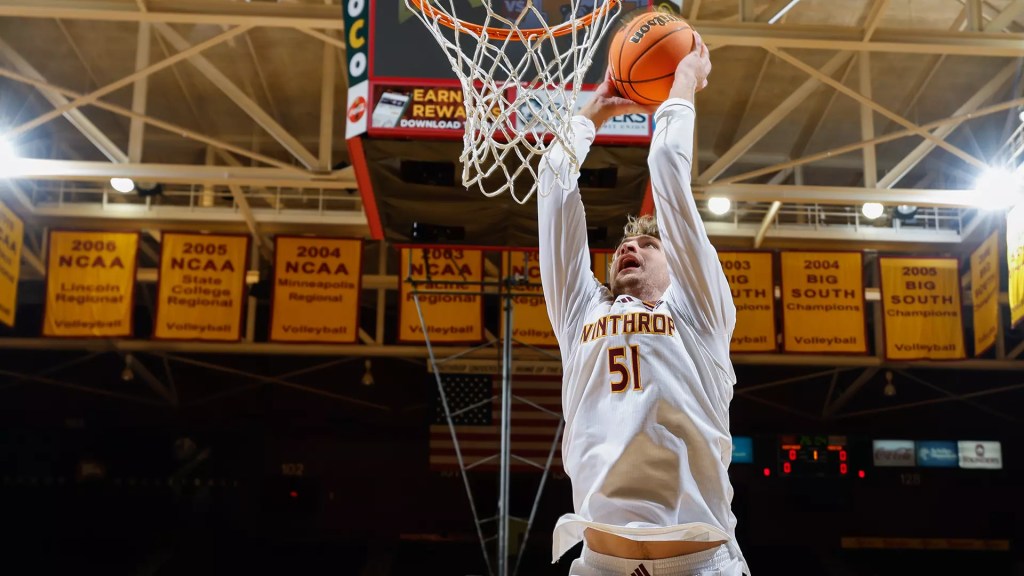
We are officially (just over) halfway through the Big South slate, and the league has clarified into a familiar, but sharper, picture.
High Point University (20–4, 8–1) and Winthrop (16–8, 8–1) sit tied atop the conference standings, separated not by record, but by style, tempo, and how games are officiated. Everyone else is fighting for seeding, matchup luck, and the right to play spoiler in March.
For High Point, the storyline remains continuity through change. When Alan Huss departed for Creighton, questions followed. Flynn Clayman has answered them emphatically, not just with wins, but with where and when those wins have come.
Most notably, Clayman has already conquered two venues that haunted the previous regime: wins IN Asheville and Farmville.
The team has yet to drop back-to-back games and when questions arise so does the teams’ intensity and performance. And almost all of this has been done in conference play without their most talented player, Cam Fletcher.
📸 High Point University: Mid-Season Snapshot
Record
- 20–4 overall
- 8–1 Big South (tied for 1st)
National Identity
- #1 nationally in steals
- #1 in fast-break scoring
- Elite effective FG% and transition efficiency
High Point remains the league’s ultimate chaos engine — forcing turnovers, accelerating tempo, and overwhelming opponents before structure can settle.
⚖️ Panthers So Far
➕ The Good (Strengths)
Chaos travels.
HPU forces turnovers at an elite rate and converts them instantly. When the Panthers are dictating pace, the game stops being a chess match and becomes survival.Closers exist.
Terry Anderson has become the stabilizer this offense needs — a scorer who can close games when chaos turns into half-court basketball.Road demons exorcised.
Winning at Asheville and Farmville isn’t trivia. It’s the difference between being a regular-season bully and a legitimate champion profile.➖ The Bad (Concerns)
Half-court stagnation still exists.
When transition dries up (as it did in stretches vs. Longwood), High Point can become overly dependent on shot-making.Bench compression is real.
In close games, the rotation tightens more than last season. That increases variance when foul trouble or cold shooting enters the equation.
😗 The Friendly Whistle Report: Logan Duncomb (Full Deep Dive)
Let’s be clear at the outset: Logan Duncomb is the Big South Player of the Year frontrunner.
The production is real. The efficiency is real. The usage is massive.
What separates Duncomb from every other frontcourt player in this league, however, is not just talent, it’s how the game is officiated around him, particularly once conference play begins. And this isn’t anecdotal or perception-based. The data is unequivocal.
Conference vs. Non-Conference: The Whistle Shift
Non-Conference Play- Free Throw Attempts per Game: 6.43
- Fouls Committed per Game: 3.29
Big South Conference Play
- Free Throw Attempts per Game: 12.00
- Fouls Committed per Game: 2.44
That change is staggering.
- Free throw attempts nearly double
- Fouls committed drop by ~26%
Same player. Same role. Same physicality. Completely different officiating.
This is not random variance.
It is a structural shift in how Duncomb is refereed in conference games.
Net Whistle: The Stat That Actually Matters
The cleanest way to quantify officiating impact is net whistle — the gap between fouls drawn and fouls committed.
Using per-40 minute data from conference play:
- Fouls Drawn / 40: ~9.7
- Fouls Committed / 40: ~4.9
Net Whistle: +4.8 per 40 minutes
At the Big South level, that is extreme.
For context:
- Most starting centers in the league operate between +0.5 and +1.5
- Duncomb is functioning at three to four times the typical positional differential
Simplified Comparison
Net Whistle = Free Throws Drawn − Fouls Committed
Logan Duncomb (Conference Play)
- FT Attempts: ~12.0
- Fouls Committed: ~2.44
- Net Whistle: +9.6
Typical Big South Center
- FT Attempts: ~3.2
- Fouls Committed: ~2.9
- Net Whistle: +0.3
That gap is enormous and unprecedented within the league this season. It’s on par with how Zach Edey was officiated in his time at Purdue.
Why This Is So Isolated
This is not about questioning Duncomb’s ability. He has been dominant.
The point is how unique his whistle profile is:
- Other starting centers average ~3 free throw attempts per game
- Duncomb averages 12 free throws per conference game
- No other Big South big combines:
- Top-tier usage
- Elite interior efficiency
- A positive whistle margin of this magnitude
Even high-usage interior players like Jonah Pierce, Toyaz Solomon, or Jacob Hogarth do not receive anything close to this level of officiating insulation.
The Bottom Line
Logan Duncomb isn’t just winning with skill — he’s winning within an officiating framework that tilts the math in his favor once conference play began.
That doesn’t invalidate his production. It contextualizes it.
And in a league where conference and tournament games are often decided at the line, that whistle profile matters as much as any box-score stat.
Why It Matters Against High Point
This is where the rivalry tension becomes real.High Point thrives when:
- Physicality is allowed on the perimeter
- Chaos creates transition chances
- Whistles stay consistent both ways
Winthrop thrives when:
- The game slows
- The paint is tightly officiated
- Bonus situations arrive early
Duncomb is the fulcrum. If he’s allowed to:
- generate contact without counters
- avoid foul accumulation
- and live at the line
Winthrop can neutralize High Point’s greatest weapon: pace.
That’s why they aren’t just a challenger — they’re the designated spoiler.
Mid-Season Awards:
Player of the Year
🏆 Logan Duncomb (Winthrop)
The production, efficiency, and offensive gravity are undeniable — even if the whistle is part of the equation.Coach of the Year
🏆 Quinton Ferrell (Presbyterian)
Limited resources, maximum discipline. PC plays controlled, connected basketball and is a nightmare draw in March.Defensive Player of the Year
🏆 Owen Aquino (High Point)
The anchor behind the one of the nation’s most disruptive defenses.Big South All-Conference Teams
🥇 First Team All-Conference
- Logan Duncomb (Winthrop) – POY frontrunner; offensive engine, elite efficiency, league-warping usage
- Terry Anderson (High Point) – closer, two-way guard, best player on the league’s most explosive offense
- Kameron Taylor (UNC Asheville) – carried the offense and has overtaken Toyaz Solomon as the team’s main option
- A’lahn Sumler (Charleston Southern) – elite shot-maker, league-leading perimeter gravity
- Dennis Parker Jr. (Radford) – pure bucket-getter; single-handedly keeps Radford competitive
🥈 Second Team All-Conference
- Owen Aquino (High Point) – DPOY impact; rim protection + defensive quarterback, a gifted passer for a big man
- Jonah Pierce (Presbyterian) – interior efficiency, rebounding, and discipline
- Toyaz Solomon (UNC Asheville) – inside-out scoring, physical presence
- Kareem Rozier (Winthrop) – secondary creator who benefits from Duncomb gravity
- Elijah Tucker (Longwood) – elite finisher, defensive activity, efficiency spike in league play
🔭 Tournament Outlook: The Two-Rule Formula
History tells us Big South champions almost always meet two conditions:
Rule 1: Offense travels
Nearly every champion enters March with a Top-150 adjusted offense. Defense helps but scoring wins this tournament historically.
Rule 2: The champion is already elite before March
Big South champions are almost always Top-3 in the conference entering the tournament. True Cinderella runs are rare here.
What That Means in 2026
- High Point fits the model.
- Winthrop fits the model.
- Everyone else is chasing exceptions.
Tier Breakdown
Tier 1: The Frontrunners
High Point
- Strength: chaos, pace, shot-making
- Vulnerability: half-court stagnation, whistle variance
- Outlook: co-favorite
Winthrop
- Strength: Duncomb’s interior gravity + whistle leverage
- Vulnerability: guard play, pace control
- Outlook: co-favorite / HPU’s worst matchup
Tier 2: The Challengers
- Radford — star-driven volatility
- UNC Asheville — scoring punch, defensive questions
- Presbyterian — high floor, grinder identity
- Longwood — defensive pest, offensive droughts
Tier 3: The Spoilers
- Charleston Southern — three-point variance
- USC Upstate — experienced, limited ceiling
- Gardner-Webb — rebuild mode
Final Verdict
At the halfway point, the Big South has crystallized. This league runs through High Point and Winthrop.
High Point owns the best overall profile and the most complete tournament résumé. Winthrop owns the one variable that can bend the bracket: a dominant interior scorer whose whistle changes how games are played.
High Point is the favorite. Winthrop is the problem.
Does a rematch in Johnson City away?Meanwhile the rest of the league is hoping March brings a night where neither gets what they want.
-
🐾 Panther’s Toothsayer: High Point at Longwood
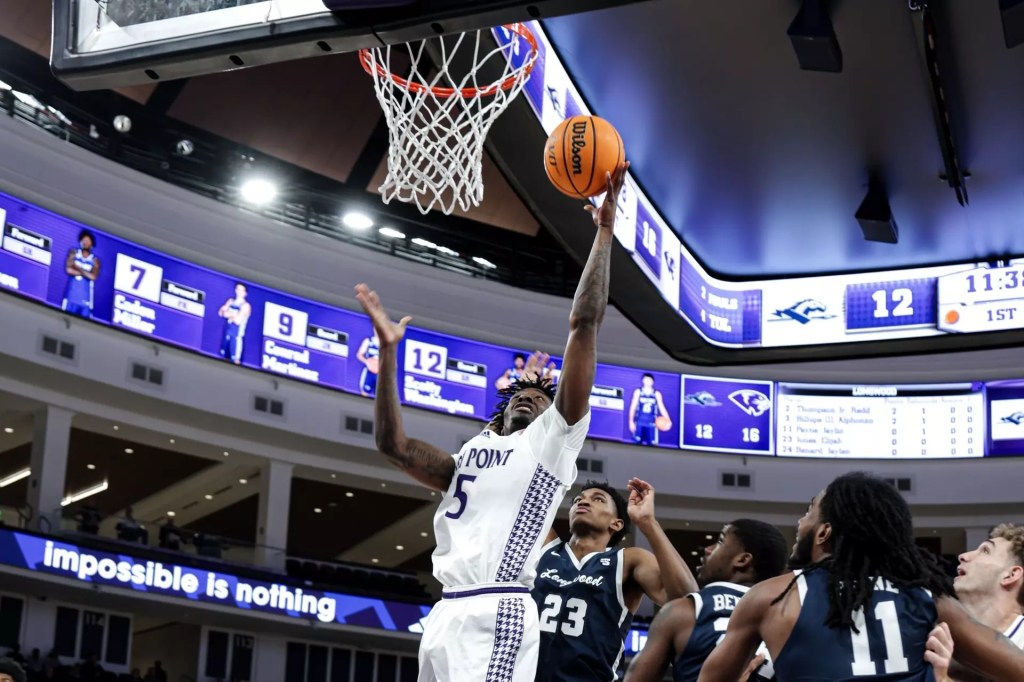
Farmville, VA | Joan Perry Brock Center | Saturday, January 31 | 3:00 PM
📍 Setting the Stage
The Big South has officially turned the page to rematch season, and High Point’s first test comes in the one building that has haunted them longer than any other.
The Panthers arrive in Farmville riding a glossy 19–4 record, but the shine is cracking. Defensive trend lines are pointing the wrong way, offensive balance is wobbling, and confidence is being propped up more by turnovers forced than stops earned.
Meanwhile, Longwood is wounded but dangerous.
The Lancers are 9–2 at home and perfect in conference play at the Joan Perry Brock Center. Coming off a frustrating loss at USC Upstate that only sharpens their urgency. If High Point is searching for answers, Longwood is searching for blood.
And history is firmly on the home side.
- High Point is 20–18 all-time vs. Longwood but 7-11 in Farmville
- No HPU win in Farmville since January 2018
- The Huss/Clayman era still lacks a winning record against the Lancers, the only Big South team where that’s the case
That can change Saturday. But nothing about the current trajectory suggests it will be easy.
⏰ Last Time Out (January 3 – Qubein Center)
High Point 80, Longwood 67
A game that looks comfortable in the box score — and absolutely was not.
- Halftime: HPU 42, Longwood 40
- Game tied early in the second half
- Decided by a 9–0 High Point run sparked by a Terry Anderson steal-and-dunk
What went right:
- Terry Anderson’s career-high 29 points (10–14 FG, 8–8 FT)
- Owen Aquino quietly dominating the interior
- High Point winning the “avalanche moment”
What went wrong (and was ignored at the time):
- Longwood controlled long stretches
- HPU struggled to create separation without transition chaos
- Longwood’s physicality bothered HPU far more than the final margin suggests
That win had some disconcerting truths that keeps showing up now.
𝌡 What’s Changed
This is where the rematch turns ominous.
1. The Defensive Trend Line Is Flashing Red
High Point’s defense has materially deteriorated since early Big South play.
- Repeated paint breakdowns
- Big men having career nights
- Poor shooting teams consistently looking confident, accurate, and deadly
The Presbyterian game was the clearest warning yet:
- HPU was severely outshot at home
- Gave up constant paint touches
- Could not finish at the rim consistently
- Needed turnovers just to survive despite being a 17.5-point favorite
If not for forced turnovers, that game is a loss on national TV.
2. Road Reality Check
High Point’s away defensive metrics are among the worst in the country, and the JPB amplifies every weakness:
- Slower rhythm of play
- Fewer transition whistles
- Longer scoring droughts punished harder
This will not resemble the Qubein Center environment.
3. Longwood Has a New Focal Point
In the first meeting, Elijah Tucker was a secondary piece. He is no longer that.
- Longwood is now actively feeding the post
- Tucker and Nziemi have torched opponents on the glass
- HPU’s interior rotations have been slow and foul-prone
This matchup directly attacks High Point’s current Achilles heel.
♟️ Key Matchups
🎨 Paint Control: Owen Aquino vs. Elijah Tucker / Johan Nziemi
This decides everything.
- High Point has been punished inside repeatedly
- Lancer’s bigs thrive on:
- Second chances
- Deep seals
- Contact finishes
If Aquino gets into foul trouble, High Point has no proven interior safety net.
⦻ Perimeter Discipline: Redd Thompson Jr. vs. HPU Closeouts
High Point’s defensive rotations have been late and lazy.
- Thompson thrives on drive-and-kick gravity
- Longwood doesn’t need volume, just rhythm
Another “bad shooting team” having a great night would not be surprising anymore.
⏳ Tempo Control: Rob Martin vs. Jacoi Hutchinson
This is the game within the game.
- Martin wants chaos → kill shots → 90 points
- Hutchinson wants mud → patience → 70 points
At home, Hutchinson has been far more secure with the ball. If he keeps turnovers down, Longwood dictates the game.
⁉️ The Questions Hanging Over HPU
High Point is 19–4 and 7–1 in conference.
For any other Big South team, that would speak for itself.
At High Point, it doesn’t.
These are no longer whispers — they’re unavoidable:
- 📉 Is this team getting better or worse?
Trend lines and the eye test say worse. - 🤷♂️ What is Vincent Brady providing on either end of the floor?
His minutes are a growing mystery while more impactful players struggle to find rhythm. - 🥸 Why isn’t Chase Johnston playing more during a shooting slump?
High Point desperately needs spacing and has one of the NCAA’s most prolific shooters riding the bench. - 🤕 Cam Fletcher’s wrist — how limited is he really?
His availability may decide whether High Point has a bailout option late in the season.
🔮 Toothsayer Prediction
High Point still has the most dangerous offensive ceiling and the most talented roster in the Big South. That hasn’t changed.
What has changed:
- Their margin for error
- Their ability to survive without turnovers
- Their defensive resilience away from home
- Their elite shooting and spacing
Longwood’s goals are simple:
- Win the paint
- Keep away from any kill shots
- Make this ugly, slow, and physical
This is the most vulnerable High Point has looked all season because of:
- The defensive erosion
- The Farmville drought
- Longwood’s home dominance
- Panthers shooting variance
- High Point’s recent reliance on chaos rather than control
If High Point plays to their potential → Panthers escape Farmville with that elusive win.
If Longwood controls the glass and avoids a 10–0 burst → Lancers win outright
Prediction:
Longwood 78, High Point 70
The real question afterward may not be about the result but whether it’s a wake-up call for the coaching staff and roster, or a wake-up call for the fans and their expectations of the season.
-
🐾 Panther’s Toothsayer: Presbyterian at High Point
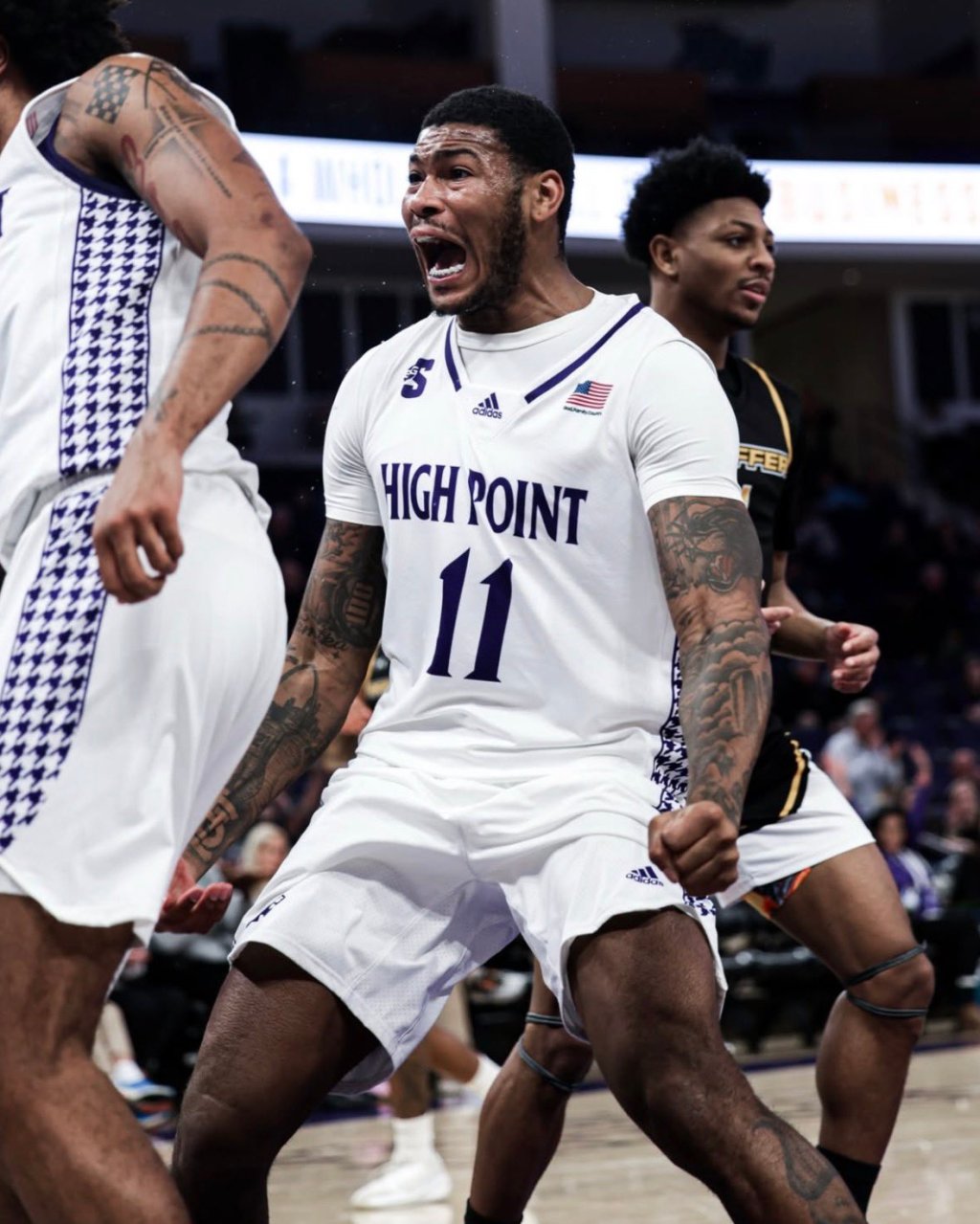
Qubein Center | Thursday, January 29 | 9:00 PM | ESPN
📍 Setting the Stage
This is one of those games that looks straightforward on paper but could be anything but once the ball tips.
High Point enters the night as the Big South’s standard bearer, 18–4 overall, 6–1 in league play, top-100 nationally, and one of the most efficient offenses in the country.
Presbyterian arrives as a classic spoiler: slow, physical, elite on the glass, and coached by the most experienced head coach in the conference.
This matchup is a clash of identities:
- The Big South’s fastest, most aggressive defense
- Versus one of the slowest, most physical teams in Division I
- Elite rebounding and rim protection
- Against elite tempo, spacing, and shot creation
Add in an ESPNU national audience, lavender alternate uniforms, and the return of Cam’Ron Fletcher, and this one has far more layers than the spread suggests.
🧦 Opponent Overview — Presbyterian
Presbyterian is exactly who they want to be.
Under seventh-year head coach Quinton Ferrell, the Blue Hose have built an identity rooted in physicality, rebounding, and interior efficiency. Modeled off of Ferrell’s own game while playing for the Blue Hose.
Picked 6th in the preseason, they sit squarely in the middle of the league at 11–11 (4–3 Big South), capable of ugly wins and frustrating opponents into submission.They do not want to race you.
They do not want a three-point contest.
They want to grind.
What They Are
- One of the slowest teams in the country (bottom-30 tempo)
- Elite defensive rebounding team (top-20 nationally)
- Highly efficient inside the arc
- Disciplined, physical, and comfortable in the mud
What They Aren’t
- A perimeter shooting team
- A turnover-forcing defense
- Comfortable playing from behind
🧱 Team Identity — The Blue Hose Blueprint
Presbyterian’s identity is built on two pillars:
🎨 Rebounding & Rim Protection
Jonah Pierce (6’10”) and Jaylen Peterson (6’8”) anchor the paint. Pierce ranks near the top of the league in blocks and rebounds, while Peterson adds length, mobility, and elite finishing.
They:
- Rank 18th nationally in limiting opponent rebounds
- Excel at forcing one-and-done possessions
- Funnel drives into size instead of gambling on steals
🎯 Interior Efficiency
Presbyterian is deadly when they get what they want:
- Top-90 nationally in 2-point percentage
- Paint touches come early and often
- Post-centric offense runs through Pierce
If they win the rebounding battle and control tempo, they can make games uncomfortable very quickly.
⚠️ Where They Can Be Beat
The trade-off for that interior focus is real.
📉 Perimeter Shooting
Presbyterian is one of the lowest-volume three-point teams in Division I:
- Bottom-15 nationally in 3PA
- Bottom-20 in 3PT makes
- ~31% from deep as a team
They can hit threes, they just rarely do.
🧨 Ball Security
- Bottom-tier nationally in turnover rate
- Minimal steal generation
- Vulnerable to pressure if forced out of rhythm
Against a team like High Point that is dying to force turnovers and hits a ton of threes, this is a dangerous game.
🧠 Coaching Context — Ferrell vs. Clayman
This is one of the most fascinating coaching contrasts in the league.
- Quinton Ferrell: 7th year, program builder, defensive identity, slow-burn tactician
- Flynn Clayman: Year One, modern tempo, pro style spacing, emphasizing turnovers and turning those into fast-break points
Ferrell wants control. Clayman wants pressure and forced chaos.
🔁 The Cam’Ron Fletcher Variable
This is the game’s true X-factor.
When Fletcher left the lineup earlier this season, he was:
- High Point’s leading scorer
- One of their top rebounders
- An athletic matchup nightmare for any mid-major program
Since then, HPU went 5–1 in conference play without him, refining roles and tightening rotations.
Now he’s back….
What He Adds
- A legitimate ceiling-raiser
- A high-major caliber wing
- Defensive versatility
- Lineup flexibility and depth
What to Watch
- Is he fully bought in defensively?
- How does his usage balance with Terry Anderson and Owen Aquino who were both more engaged?
- Does his return push others back into more natural roles?
If it clicks, High Point becomes dangerously complete heading into March.
🔍 Matchup Within the Matchup: Pace vs. Variance
Here’s been an uncomfortable truth, High Point’s defense can make poor shooting teams look competent.
Not because it’s bad or wants teams to shoot threes, but because it’s aggressive and fast.
Why This Happens
- HPU gambles
- Leads the league in steals
- Jumps passing lanes
- Traps aggressively
- When gambles fail
- Recovery time creates wide-open looks
- Backside rotations are late
- Opponents get rhythm shots they don’t usually see
- Tempo multiplies variance
- More possessions = more attempts
- Poor shooting teams get volume they never see in grind games and more volume means shooters get in a rhythm
Recent examples show underperforming shooting teams exceeding season averages against HPU.
Who Benefits Tonight?
If Presbyterian gets hot, it will be:
- Carl Parrish — the only true perimeter sniper
- Triston Wilson — on kick-outs from Pierce doubles
Early threes could change the momentum and be the key to keeping Presbyterian in this game
🗝️ Keys for High Point
1️⃣ Win the glass without overcommitting
Presbyterian lives on second chances. Force them to be one-and-done on their possessions
2️⃣ Control tempo without killing pressure
Fast doesn’t mean reckless. Value possessions.
3️⃣ Make Presbyterian create from outside the paint
No easy post entries. Crowd Pierce early. Stay out of early foul trouble.
4️⃣ Protect against “false shooting nights”
Contest without flying by. Make threes uncomfortable.
5️⃣ Integrate Fletcher cleanly
Energy without disruption. Impact without forcing.
🔮 Toothsayer’s Take
This is not a trap game as Presby has been a pretty good team in the conference but it is a stress test.
Presbyterian will rebound.
They will slow it down.
They will make High Point work.
But High Point’s depth, athleticism, and tempo, especially with Cam’Ron Fletcher back, should eventually crack the dam.
If this stays close into the second half, the variance favors the underdog.
If High Point creates even one sustained run, the math overwhelms Presbyterian quickly.
National stage. Lavender threads. A chance to send a message.
Prediction:
High Point 84, Presbyterian 68
-
🐾 High Point Men’s Lacrosse 2026 Season Preview
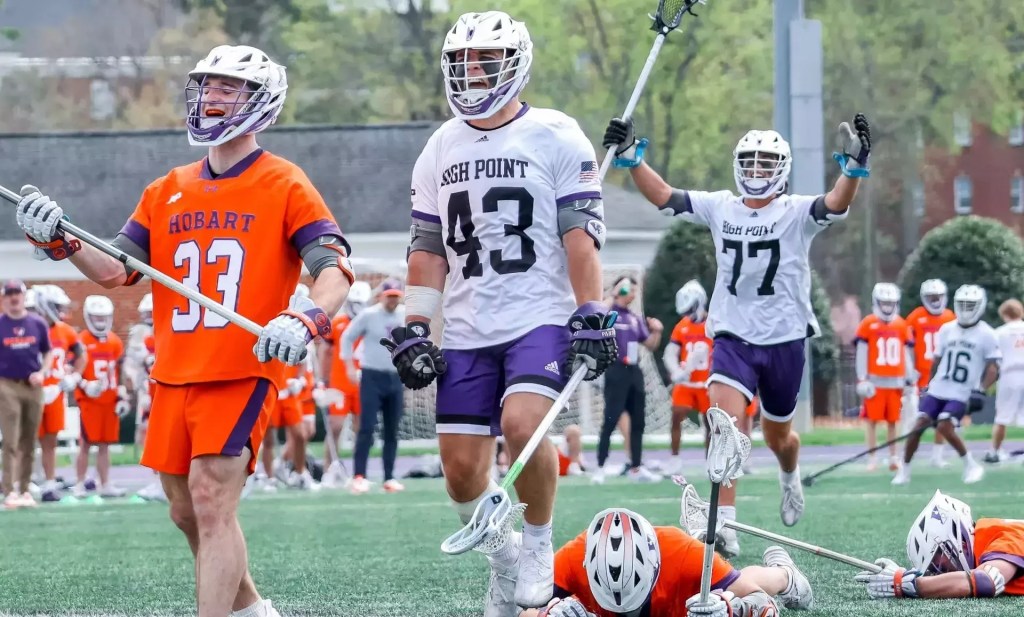
The 2026 season arguably represents the most important inflection point in the history of High Point men’s lacrosse since the program’s national breakthrough a decade ago.
This is not a rebuilding year. And it’s no longer a transition year.
But is it THE YEAR?
This is Year Two of John Crawley, and for the first time since joining the Atlantic 10, High Point enters a season with continuity, elite specialists, and a clearly defined competitive identity.
What comes next will determine whether HPU remains a perennial contender that rarely breaks through — or if the Panthers return to their championship and nationally ranked ways.
🧱 Setting the Scene: Year One
John Crawley inherited one of the most abrupt roster cliffs in the country.
Between the 2024 and 2025 seasons, High Point lost:
- Brayden Mayea (program’s all-time leading goal scorer)
- Jack VanOverbeke (elite distributor and athlete)
- Nick Rizzo and Jack Sawyer (veteran reliability)
- Longtime head coach Jon Torpey (Brown)
- An entire system and staff infrastructure
Mayea and VanOverbeke weren’t just stars — they were PLL-caliber players, with both reaching the professional ranks. The cabinet wasn’t just lighter.
It was bare.
So Crawley’s first year wasn’t about domination.
It was about stabilization, with an eye toward the future.
📊 The 2025 Result: Better That it First Looked
On paper
- 7–9 overall
- 3–2 in A-10 play
- A-10 Regular Season Runner-Up
- A-10 Championship Game appearance
Under the surface
- Finished 2nd in the league with a roster still reeling from historic attrition
- Returned to the championship game for the second time since joining the A-10
- Put eight players on postseason award lists
- Re-established national credibility
Statistically, HPU ranked middle-to-lower in most offensive categories within the six-team A-10:
- 5th in goals per game
- 5th in shots per game
- 5th in shooting percentage
- 5th in man-up efficiency
But the two places where High Point quietly separated themselves?
- Faceoffs (2nd in conference)
- Goaltending (1st in saves per game)
Those two facts explain why 2026 projects very different.
🔁 The Core Returns
High Point brings back:
- 77.7% of points
- 73.3% of goals
- 86.0% of assists
- 99.5% of goalie minutes
- 100% of faceoff reps
- 80.3% of ground balls
A huge amount of attrition meant extensive playing time for young players — and now those same players return with another year in the system and the weight room.
The Backbone
- FOGO: Luca Accardo
- Goalie: Zack Overend
If you’re building a mid-major contender in modern lacrosse, that is the exact order you want.
HPU will be in most games against almost all competition because they have elite talent at the X and between the pipes.
💫 Specialists Being Special
Luca Accardo — The Possession Advantage
Accardo isn’t just good. He’s transformative.
- Program records in faceoff wins and ground balls
- Preseason All-American recognition
- Compared by Crawley to Mike Sisselberger (Lehigh legend, PLL All-Star)
In 2026, High Point starts most games with a mathematical edge.
That changes how you coach, how you defend, and how patient you can be offensively.
Zack Overend — The “Goalie U” Line Continues
HPU has quietly become Goalie U:
Austin Geisler → Tim Troutner → Zack Overend
Overend’s 2025 season was historic:
- 195 saves (A-10 leader)
- .544 save percentage
- 23 saves vs Saint Joseph’s (program record)
- A-10 Defensive Player of the Week
- All-Championship Team
He faced 617 shots last season — and survived it.
In 2026, the goal is simple: Don’t ask him to face that many again.
🏀 The Offense: From Hero Ball to Basketball?
Under Torpey, High Point featured some absolute studs:
Dan Lomas. Asher Nolting. Kevin Rogers. Brayden Mayea. Jack VanOverbeke.
Star power was never an issue.
But John Crawley’s offense is not about isolation heroes. It’s about:
- Motion
- Spacing
- Second and third dodges
- Decision-making over raw athleticism
If that sounds like basketball it’s because that’s how Crawley wants it.
Key Returners
- Justin Wixted: The point guard. Electric with the ball, now more mature as a decision-maker.
- Owen Bunten: Led the team in goals; poised for a shooting efficiency jump.
- Carson Robins: Healthy again after an injury-affected start last year.
- Ryan Hynes / Collin Rovere / Ian Cann: The engine room. Veteran midfield IQ.
This group doesn’t need a 50-goal scorer.
They need four guys at 20+, and the system supports it.
🛡️ The Defense: Younger, Longer, More Deliberate
While offense was never a concern under Torpey, the defense often was. Crawley has spent 18 months professionalizing the defensive identity.
Leaders & Emerging Pieces
- Captain Luke Dermon: Leader, example-setter
- James Westbrooks: Competitive, physical, assignment-ready
- Caio Stephens: LSM with range and disruption ability
- Cole Motter: Glue guy. Prepared. Dependable
Add in the coaching presence of Jack Posey (PLL) and the mission is clear:
Fewer track meets. More possession leverage.
🧬 The Newcomers: Identity Over Flash
This roster includes:
- 19 new players
- 2 transfers
- 17 freshmen
Names to Watch
- Charlie Killen (MF): Immediate contributor profile
- David Manzo (LSM): Toolsy, fits Crawley’s defensive mold
- Will Swartz: Charlotte product, ready for an expanded role
This class is half Torpey but re-recruited by Crawley.
It may lack headline star power, but it’s built on fit, and that should pay dividends.
🏆 The A10: A Gauntlet
With Delaware joining the conference, the A-10 is no longer just difficult.
It’s brutal.
Tier Breakdown
- The Favorites: Richmond, Delaware
- Contender: High Point
- Wildcard: Saint Joseph’s
- Grinders: UMass, Hobart
High Point’s edge? Specialists and retention.
🕷️ Arachnophobia
Richmond isn’t just a rival. They’ve been a reckoning for the Panthers.
- 4–16 all-time
- Lost the last 8
- Seven season-ending losses
- 4 championship games
- 3 semifinals
They are disciplined. Ruthless. Structurally sound.
Richmond looks even better this year — but:
- They lost their starting goalie
- They lost their elite FOGO
- HPU returns both of theirs
Possessions alone won’t win it.
What Must Change
- Minimize turnovers
- Force unsettled clears
- Long possessions — ice the game
- Physical crease defense vs Littlejohn
- Ball denial on Aidan O’Neil
April 24th at Vert Stadium is not just a game. It’s a referendum.
🗓️ The Schedule: No Hiding In the NonCon
- ⚓️ at Navy (season opener)
- 🐏 at UNC
- 🌰 at Ohio State
- 🐬 Jacksonville (neutral site vs longtime rival)
- ⚔️ vs Virginia
- 🐻 at Cornell (reigning national champs)
Crawley scheduled this on purpose.
If this team survives February and March, it will be hardened for April.
🔮 The Verdict
High Point in 2026 is not chasing a past version of itself.
This team is:
- Deeper
- Smarter
- Better positioned structurally
- Built to win close games
- Built to survive poor shooting nights
- Built to beat anyone with patience and discipline
The specialists give them a chance in every game.
The system gives them sustainability.
The question is execution — especially against Richmond.
- Ceiling: A-10 Champion, NCAA berth
- Floor: Conference semifinalist
- Reality: The most complete HPU roster since 2019, but maybe still a year out
The program has crossed the bridge from Torpey. Now it just needs to climb with Crawley.
-
🐾 High Point Baseball 2026 Preview
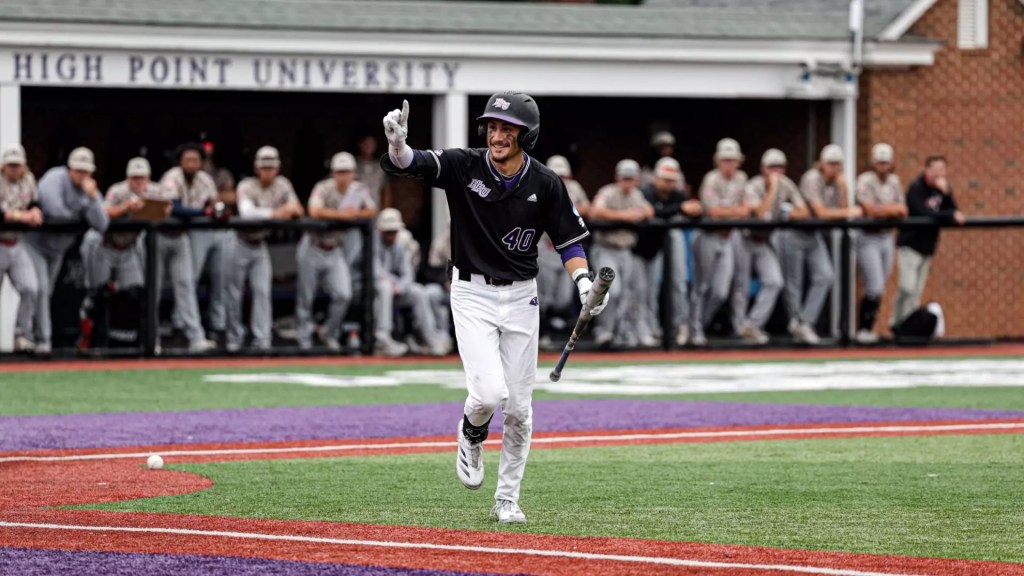
From Breakthrough to Burden — and Why This Team Is Built to Carry It
High Point baseball enters the 2026 season in unfamiliar territory. Not as the scrappy upstart. Not as the league’s fun story. But as the standard.
A year ago, the Panthers didn’t just have the best regular season in program history, they reset expectations entirely.
After winning the Big South tournament and reaching the national stage for the first time in program history in 2024, Hammond’s HPU Panthers built on that success.To the tune of 39 wins and a national offensive profile. The 2025 lineup could bludgeon teams into submission with power and impact bats.
And yet, for all the fireworks, 2025 also revealed the final ceiling separating great from dominant.The burden of 2026 is not repeating history. It’s about continuing to build into a nation powerhouse.
👀 A Look Back at 2025
The easy takeaway from 2025 is the headline: 39–19, the most wins in Division I program history, and an offense that sparked fear into the hearts of any who faced them.
High Point’s offense wasn’t just good for the Big South, it was NATIONALLY ELITE:
- 1st in Runs Scored (619)
- 1st in On-Base Percentage (.449)
- 1st in Slugging Percentage (.607)
- T-1st in Doubles (149)
- 2nd in Home Runs (131)
- 5th in Hits (675)
- T-5th in Base on Balls (365)
But the deeper truth is more instructive.
That team lived on historic run production because it had to.
The pitching staff battled depth issues late. The bullpen was stretched thin by May. Close games demanded perfection from starters and creativity from the staff.
When the margin tightened, High Point often survived, but rarely comfortably.
And they survived until they didn’t.
A mid-week game against App State earlier in the year and a disappointing series to end the regular season at Winthrop was a harbinger of what was to come in the Big South tournament. An early exit fueled because no lead was safe.That’s why 2026 matters more than 2025 ever did.
This season isn’t about topping offensive totals. It’s about building a mid-major powerhouse roster that just wins, even when the runs stop coming in bunches. Good teams win on offense, great programs win in multiple ways and especially with pitching/defense.
🧠 Joey Hammond’s Blueprint: Power First, Depth Always
Head coach Joey Hammond has never hidden his philosophy.
After seven seasons at Wake Forest helping engineer one of the most historic offenses of the BBCOR era, Hammond brought a power-first identity to High Point: one built on damage, discipline, and mental toughness.
The Hammond Hallmarks
1. Elite Offense Without Reckless Abandon
This program hunts impact contact, but not at the expense of plate discipline. Walks matter. Situational hitting matters. Pressure matters. That’s how you lead the nation in RBIs without selling out resulting in strikeouts.
2. Development Over Résumé
Hammond’s 11-year professional career as a utility player informs everything. Versatility isn’t optional, it’s required. Players are cross-trained. Roles are fluid. The lineup stays adaptable.
3. Culture and Experience Beats Talent
In the portal era, Hammond has been selective. He doesn’t chase stats; he recruits mindset. Newcomers aren’t just added, they’re integrated quickly, deliberately, and with intention. Hammond wants older and experienced players at every level.
4. Grit as a Skill
High Point doesn’t blink. That identity carried the Panthers through their first Big South title run and remains the program’s defining trait.
2026 reflects a subtle evolution of that blueprint, not a departure from it.
💪🏻 The Pitching Shift: Where Championships Are Decided
If 2025 was an offensive apex, 2026 is a structural correction.
The Panthers return the rarest commodity in college baseball: a true ace.
Wade Walton and the Rotation Ceiling
Wade Walton enters 2026 as the conference’s preseason Pitcher of the Year for good reason. He’s durable. He attacks the zone. And most importantly he gives you innings, the most valuable currency in modern college baseball.
Behind him, Dylan Story and transfer Ty Brachbill give High Point something it didn’t consistently have late last season: options.
That matters more than ERA.
The Bullpen Is No Longer a Question Mark
Last year, High Point relied heavily on necessity. This year, it’s built on specialization.
Power arms. Matchup looks. Long-relief bridges. Swing-and-miss profiles. The goal isn’t overpowering, it’s about pitching to the moment and sustainability.
Starters no longer have to reach the seventh just to protect the bullpen from itself.That alone raises the postseason ceiling.
🔌 Life After Simpson, Durschlag, and Others: Rebuilding Without Resetting
Replacing 70 home runs from a roster is never easy.
Replacing 22 homers from one single player is even more difficult.
Replacing an All-American and one of the conference’s most dynamic outfielders is even harder.
High Point didn’t just lose Brayden Simpson’s raw power, it also lost Konni Durschlag’s speed, range, and tone-setting presence at the top of the lineup. Together, they represented the emotional and statistical spine of the 2025 offense.But 2026 isn’t about replacing either player individually.
It’s about redistributing their impact across the lineup.
The Departures That Changed the Shape of the Offense
Simpson was the hammer — the bat that shortened games and punished mistakes.
Durschlag was the accelerant — an elite athlete who pressured defenses, stretched gaps, stole bases, and turned singles into rallies.
Losing both forces a philosophical shift.
High Point no longer builds around a few superstars driving the bus.
Instead, it’s constructing an offense that wins by accumulation: longer innings, more disciplined at-bats, and fewer dead spots from top to bottom.The New Offensive Core
Landen Johnson, the Big South Preseason Player of the Year, becomes the clear centerpiece. The reigning NCAA RBI leader doesn’t need to replace Simpson’s home run total; he needs to anchor the order and punish pitchers forced into mistakes by traffic ahead of him.
Christian Smith assumes the leadership mantle vacated by Durschlag. Smith brings a rare blend of power, speed, and defensive reliability, and his role now extends beyond production, he sets the tone in the outfield and on the bases. He will also need to swing-and-miss less after leading the team in K’s last season.
Around them, High Point leans into depth:
- Middle-infield stability from Frank Kelly and Jace Kohler
- Expanded roles for athletic outfielders who can replicate Durschlag’s pressure, if not his exact stat line
- Catcher and bottom-of-the-order bats capable of extending innings rather than ending them
The result is a lineup that may not match 2025’s headline numbers, but may actually be harder to navigate in close games.
The Strategic Shift
Last year the team was bombs-away up-and-down the order. This year though there might be even more balance if less pop.
There will be no obvious place for opposing pitchers to hide. No sigh of relief after getting through a part of the order.
High Point’s 2026 offense is designed to:
- Grind pitch counts
- Force bullpen decisions earlier
- Manufacture runs when the long ball stalls
That’s not a step back. It’s a roster maturation.
🧩 Key Players to Know — 2026 High Point Panthers
Championship and record-setting seasons must have pillars just like the Doric ones you’ll see throughout HPU’s beautiful campus.
For High Point in 2026, these are the players who define the floor, raise the ceiling, and determine whether this roster turns expectation into execution.
Landen Johnson — R-Sr., INF
Role: Offensive centerpiece | Middle-order anchor
Why he matters:
Johnson isn’t just the best returning bat in the Big South, he’s the NCAA’s returning RBI King. This year he’s the stabilizer and heart of an entirely new offensive structure.
With Simpson and Durschlag gone, Johnson becomes the hitter opposing staffs will dedicate gameplans around. If he continues to produce with runners on and maintains elite on-base discipline, this offense works.
Wade Walton — So., RHP
Role: Ace | Tone-setter | Series equalizer
Why he matters:
Walton gives High Point something few mid-majors have, a returning true Friday-night arm who changes series math. His durability allows the staff to manage the bullpen intelligently, and his ability to pitch deep into games is the single biggest factor in whether late-season fatigue becomes an issue again. In neutral-site and postseason play, Walton is the piece that travels.
Christian Smith — R-Sr., OF
Role: Veteran leader | Two-way impact
Why he matters:
Smith inherits more than production, he inherits responsibility. With Durschlag gone, Smith becomes the emotional and athletic leader of the outfield. He brings speed, power, elite defense, and postseason experience, but his real value is in setting the tempo: aggressive baserunning, clean defense, and professional at-bats in leverage spots.
Ty Brachbill — Jr., RHP
Role: Rotation stabilizer | Bullpen protector
Why he matters:
Brachbill may be the most important addition on the roster. Whether starting or working as a piggyback/long-relief arm, his presence keeps High Point from overexposing the bullpen in April and May. He’s the bridge between dominance and durability, the kind of arm that quietly saves a season by absorbing innings.
Dylan Story — Jr., RHP
Role: Swing piece | Matchup weapon
Why he matters:
Story’s role flexibility gives the coaching staff options. Whether he starts, relieves, or attacks specific matchups, his raw stuff allows High Point to tailor game plans series-to-series. If he consistently delivers quality innings, the Panthers’ pitching depth goes from solid to elite.
Frank Kelly — Jr., INF
Role: Defensive glue | Inning extender
Why he matters:
Kelly may not lead the team in headlines, but he leads it in stability. With significant roster turnover, his ability to control the middle infield, turn clean outs, and keep innings alive at the plate is critical. Championship teams need players who don’t give anything away, Kelly fits that profile.
Mark Salicco — R-So., RHP
Role: Bullpen weapon | Swing-and-miss specialist
Why he matters:
Salicco represents the philosophical shift in the bullpen. Where last year relied on contact management, 2026 demands strikeouts in traffic. If Salicco can consistently miss bats in high-leverage spots, the late-inning equation changes entirely for High Point.
Justin Ruiz — Jr., C
Role: Power from the catcher spot | Staff handler
Why he matters:
Ruiz gives the Panthers something rare, offensive upside behind the plate without sacrificing stability. His ability to control the run game, manage a deep pitching staff, and provide bottom-of-the-order power helps lengthen the lineup in ways that don’t show up in box scores.
Three Hillier was an important piece to last year’s lineup, Ruiz has to take that mantle over now.
Freshman to Watch: Nic Lembo — Fr., OF
Role: Early-impact wildcard
Why he matters:
Every season has one freshman who forces the staff’s hand, last year it was Jace Kohler, this year it could be Lembo. Nic has the bat speed and confidence to impact games early, and if he earns consistent reps, it adds another dimension to an already deep outfield group.
The Big Picture
High Point doesn’t rely on one or two players to carry them in 2026.
It relies on roles being executed at a high level — innings absorbed, at-bats extended, and pressure applied relentlessly.
These are the players who make that possible.
4️⃣0️⃣ The Road to 40: Why the Margin Is Thin
Forty wins has never happened here. It won’t happen accidentally.
The math is unforgiving but possible:
- Dominate early non-conference home series
- Win every Big South series
- Avoid midweek fatigue traps
- Steal one or two résumé wins from ACC/SEC foes
Key games/stretches:
- at Florida
- The North Carolina Big Boys
- At UNC
- Vs Duke
- Home/Away against Triad rival Wake Forest
- Opening Big South play at Upstate
- Measuring sticks against other top-tier Carolina mid-majors
- Charleston
- UNCW
- Campbell
These matchups aren’t just pivotal to reach 40 wins, they’re about proof of this program’s arrival.
⚾️ The Conference Reality: No Free Weekends
The Big South has never been deeper at the top.
USC Upstate Spartans returns championship pedigree and elite middle-order bats. Winthrop Eagles bring draft-level talent and athleticism. Radford’s two-way star Breckin Nace looms as a Player of the Year disruptor.
Being ranked at the top of the conference means High Point won’t sneak up on anyone – that will be a big test in a tough Big South.
And then there’s Asheville.
🏟️ Asheville Awaits: A Subtle Advantage
The Big South Tournament’s move to McCormick Field quietly favors teams with balance, power, and depth.
High Point finishes the regular season at UNC Asheville, a logistical gift. Acclimation matters. Pitching depth matters. Experience matters. Power in higher altitudes matters.
Those are the Panthers’ advantages.
🔮 Final Verdict: The Burden Is the Point
The best teams don’t chase last year’s numbers. They chase sustainability.
High Point enters 2026 with:
- The league’s best returning arm
- A deeper, more intentional bullpen
- An offense built to punish up-and-down the lineup
- A coaching staff that understands when to evolve
This isn’t a victory lap season.
It’s a proof-of-concept season.
If the Panthers reach 40 wins and/or return to the College World Series, it won’t be because they scored more
It’ll be because they finally needed less.And that’s how programs cross the final threshold.
This team may not have the highlights or power of last year’s squad but it might be better positioned to win the BSC championship and get back on the Road to Omaha.

About Me
Sometimes the hardest part of finding success is gathering the courage to get started. The most successful people don’t look back to see who’s watching. Look for opportunities to lift others up along the way.
Follow Me On
Subscribe To My Newsletter
“Do not say a little in many words but a great deal in few.” – Pythagoras
 Pantherstooth